

Buying a Used Self Propelled Wheelchair
A self-propelled chair can assist in improving mobility. It also provides the feeling of freedom and independence to the user.
This also means that they can gain access to areas that would be difficult to access without assistance. This can include kerbs and high thresholds, as also grassed areas, kerbs, and other small obstacles.
You might be surprised by how versatile they can be
Used self propelled wheelchairs (also known as manual chairs) are more flexible than you might think. It can provide you with the independence you desire without having to depend on others to get around. This means you are able to go to shop or visit your friends, all at a time that works for you and not rely on anyone else.
It is important to think about your mobility needs prior to buying a used wheelchair. Also, you should think about the setting you'd like to use your wheelchair in. If you're going to be navigating rough or uneven surfaces it is recommended to pick tires that are low-pressure with thick tread. This will provide more comfort and make it more comfortable to push on uneven or rough surfaces.
Another consideration is how much strength you have, as self-propelled wheelchairs require a lot of muscle to operate. It's best to talk to a doctor or rehabilitation specialist before making any decision. They'll be able to offer you advice and help on the best wheelchair for you.
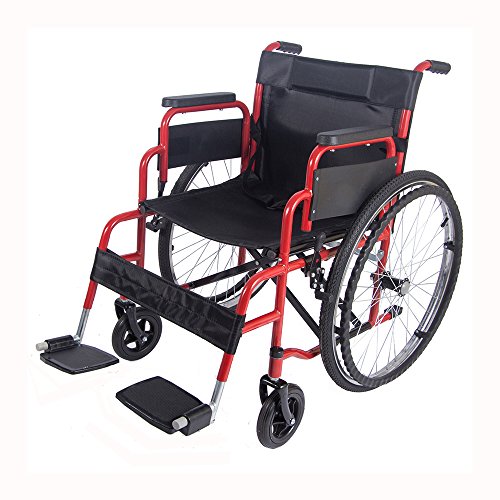
Standard wheelchairs are the most common manual wheelchairs. They are light and easy to fold, and include adjustable arm and footrests. They also have larger rear wheels than the front, so they're more stable and comfortable. These chairs aren't ideal for long journeys, since they're less equipped for transportation and are harder to lift into vehicles.
A more advanced option is the electronic fix wheelchair. This wheelchair can be retrofitted with an engine, allowing users to use it as a motorized chair. This is a great option for those seeking a light folding wheelchair that can convert into a motorized wheelchair with a minimum of effort.
It's important to remember that a self-propelled wheelchair needs special training to operate properly. Your therapist will guide you how to use the chair safely and avoid injuries. mouse click the following post should also ask your therapist about other resources, including the Wheelchair Skills Test and Training program created by Lee Kirby, which can aid you in improving your posture and efficiency in using the wheelchair.
They are much easier to maneuver
Self propelled wheelchairs are wheelchairs that require the user to push themself. This gives users the freedom to move and freedom when out, in contrast to other types of wheelchairs that require assistance of an attendant. This is one reason why many wheelchair users opt for this type of chair. However, it is important to keep in mind that you'll require a substantial amount of upper body strength to maneuver a self-propelled wheelchair.
Wheelchairs that are designed to be self-propelled typically have larger rear wheels than manual ones. They could have pneumatic (air) tyres or solid tyres. Pneumatic tyres offer greater shock absorption but are more likely to puncture than solid tyres, so care should be taken when selecting this type of wheelchair.
The position of the rear wheel is also an important aspect to consider. If the wheel is placed too far back, it can make the wheelchair unstable and difficult to maneuver. If the wheel is too close, it could be difficult to reach with your arms and can cause shoulder tension and pain. The best place for the wheel is behind the occupant's seat.
Another crucial aspect is the weight of a wheelchair. It is essential for self-propelled chairs to be lighter in weight than other kinds of wheelchairs. This is because the user will be pushing the chair by themselves, and they don't want a chair that is too heavy.
It is crucial to determine whether the wheelchair is equipped with removable footplates. This is essential for hemiplegic chairs, as one foot is more affected. The person who is seated in the chair that is hemiplegic can use their legs to propel it, which can reduce the strain on their shoulders.
A wheelchair that has feet that can be removed can be used in a variety of situations, including outdoors. This kind of wheelchair is able to access beaches and national parks, where the terrain is too difficult for a standard chair. It can also be helpful when traveling long distances because it allows the user to travel faster than the case of waiting for someone else to take them.
They are less intrusive than other mobility aids.
A wheelchair is used by people who have both walking and sitting disabilities, however, they are not able to independently move. They can be powered by hand or electrically propelled and often have seating systems. They are available in a broad variety of sizes and styles and can be designed to meet diverse needs of the user. They can have a rigid frame or one that folds. They could be fitted with handles behind the seat to assist caregivers or with input devices like joysticks, chin-operated joysticks, sip and puff controls or head switches, as well as other input devices that provide the wheelchair user to be independent.
A standard manual wheelchair includes two larger wheels in the back and two smaller ones in front, and is generally extremely light. It is lightweight and easy to fold for transportation. It is also suitable for use in a variety of terrains and in a variety of environments. Its compact size makes it easier to move than other wheelchairs. It can easily fit into a trunk of a car or under the seat of a passenger.
Self-propelled wheelchairs are more discreet than other mobility aids because they don't require motor power. The strength of the user, their mobility, and muscle tone will determine the seating system and whether or not a self-propelled chair is appropriate. Of obviously there are exceptions. For example, a client who is hemiparetic as result of a stroke might require an elevated wheelchair that has an lower seat-to-floor distance to facilitate one-handed foot propulsion.
A self-propelled chair enables users to be self-sufficient, which can be very important for some people. They can shop and visit their friends at work and so on. without relying on anyone else. This can mean a huge boost in confidence and a new lease of life for some users.
A self-propelled chair requires arm strength, and if it is not utilized correctly, it can cause repetitive strain injuries. For this reason, it is crucial for physical therapists to teach the client the correct methods of pushing the chair. A good physical therapist can assist the client in arrange their chair in a manner that they can move it with ease.
They are great for training
When properly used, self-propelled wheelchairs offer an excellent opportunity to work both arms. It is crucial to have a physical therapist teach you how to use the chair so that you don't get arm injuries. Additionally, a wheelchair-compatible treadmill can also be an effective way to perform push-training exercises, but it is less common and requires a larger space than running machines.
Another important factor to consider when selecting a wheelchair its tire type and pressure. Pneumatic tires reduce friction and rolling resistance, making them the best choice in most environments. Solid tires, on the other hand require more energy to move and are not recommended for outdoor usage.
Wheelchairs come in many different models and can be tailored to meet the needs of specific individuals. Some examples of specialty tires include the following: - a set of tires for grass and gravel - a beach wheelchair with wide tires - an indoor set of tires that permit the user to maneuver in restricted spaces
Generally speaking self-propelled chairs are ideal for anyone with mobility issues. It is much more versatile than a transit or powered wheelchair and can aid people to get back their independence. However, it's recommended to conduct some research before purchasing an electric wheelchair so that you make the best choice for your needs.
It is important to keep in mind that wheelchairs can be more difficult to manoeuvre than other mobility aids, particularly when navigating obstacles. For instance, it's not uncommon for someone who suffers from hemiparesis to experience difficulty pushing themselves in a manual wheelchair. This is why it is important to select a model that has a lower seat-to-floor distance.
Reima Medical offers an array of self-propelled wheelchairs of high quality to meet the demands of a variety of users. They have adjustable parts like the seat, armrests and footrests. These adjustments can make the user feel more comfortable. Additionally the majority of Reima's wheelchairs are made from lightweight materials, making them easier to transport and maneuver. If you're looking for a basic model or a more sophisticated sports wheelchair, Reima has the ideal solution for your requirements.